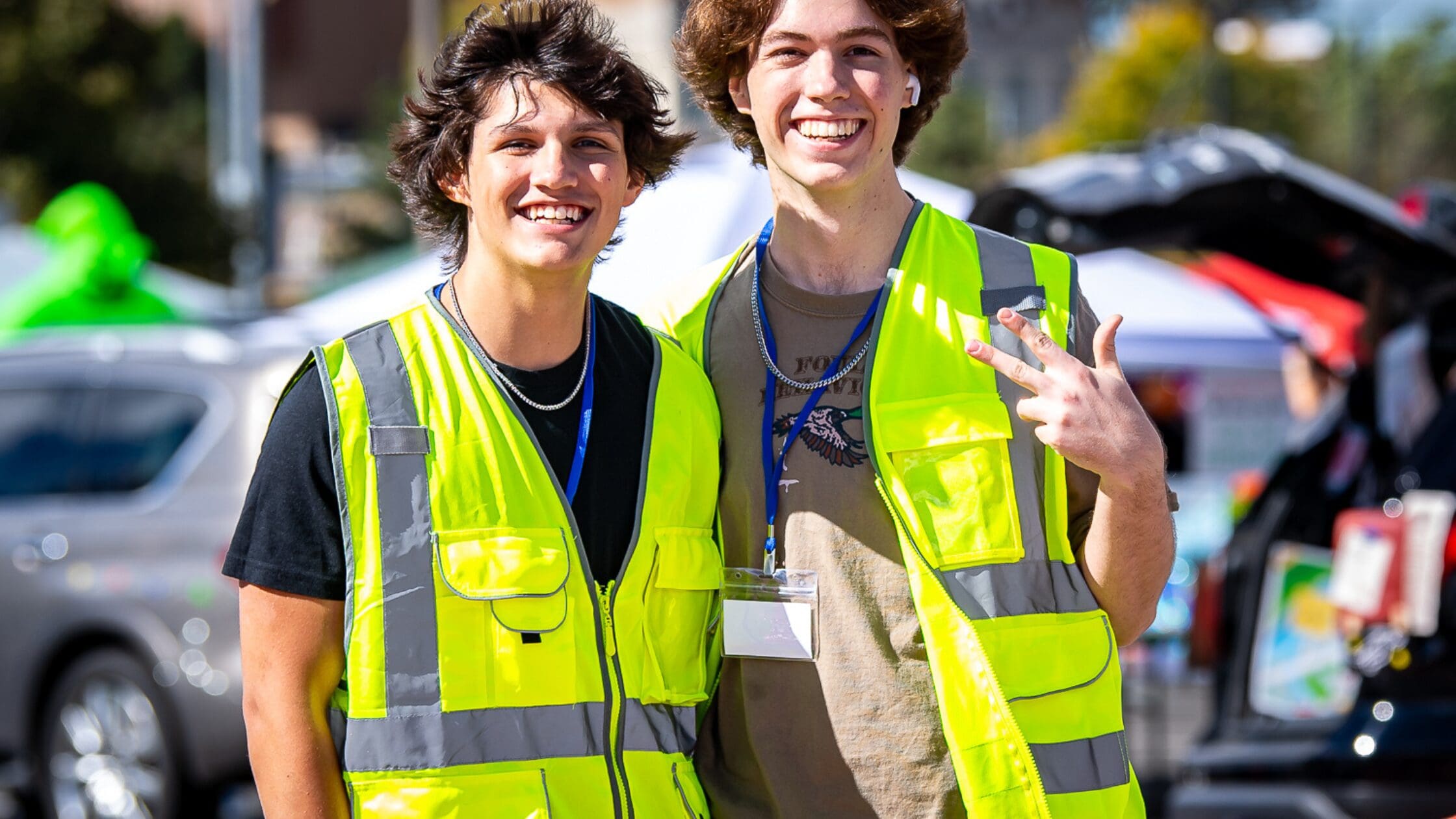
Nonprofit events are essential for fundraising, awareness, and community engagement. Yet many organizations struggle with attendance despite meaningful missions and strong community support. Often, the issue isn’t the event itself — it’s visibility.
Many nonprofits rely heavily on social media posts, email newsletters, or word of mouth to promote events. While those channels are valuable, they often reach only existing supporters. Local media coverage, strategic marketing, and community storytelling can dramatically expand an event’s reach by introducing it to new audiences who may not yet know about the organization.
When nonprofits combine communications strategy with thoughtful marketing outreach, events gain both credibility and momentum.
Start With the Story Behind the Event
Journalists rarely cover events simply because they exist. They cover stories.
Nonprofit organizations have a powerful advantage here: their work often directly impacts real people in the community.
Before promoting an event, organizations should ask:
- Who benefits from this work?
- What problem is being solved?
- Why does the community care?
For example, instead of pitching:
“Nonprofit hosting fundraising gala” frame the story as: “A local organization is raising funds to expand after-school programs for underserved youth.”
The difference is subtle but powerful. The second approach highlights impact, which is what media outlets care about most.
Integrate Marketing and Media Outreach
Many nonprofits treat marketing and media outreach as separate efforts. In reality, they work best together.
An effective event visibility strategy typically includes:
- Email marketing
Use newsletters to mobilize existing supporters. - Social media promotion
Share behind-the-scenes content, volunteer highlights, and countdown posts. - Local partnerships
Partner with businesses, schools, and civic groups that can promote the event to their audiences. - Earned media coverage
Pitch the event to local newspapers, community magazines, and television stations.
Add Digital Media to Extend Reach
Traditional PR and marketing efforts can go even further when paired with targeted digital media.
While earned media introduces organizations to new audiences, digital campaigns help reinforce those messages and reach people where they spend time online.
Modern nonprofit campaigns often combine media outreach with digital channels such as:
- Connected TV (CTV) and streaming ads that appear during online programming
- Hyperlocal digital advertising that targets audiences within specific geographic areas
- Targeted email campaigns reaching audiences outside an organization’s existing email list
- Digital out-of-home placements such as screens in high-traffic locations
These digital channels allow organizations to reinforce their message across multiple platforms while also measuring engagement through campaign reporting.
For nonprofits hosting major events or fundraising initiatives, combining earned media with targeted digital visibility can significantly expand awareness and participation.
When these tools work together, organizations create a 360-degree communications strategy that reaches audiences across media, online platforms, and community spaces.
When these elements work together, each channel reinforces the others.
Nonprofits that invest in thoughtful communications strategies often see stronger community engagement. Paper PR works with mission-driven organizations to build these strategies.
Pitch Local Media Early
Timing matters when reaching out to journalists. Ideally, nonprofits should pitch event stories four to six weeks before the event date. This allows reporters time to consider the story and include it in upcoming coverage.
A simple media pitch should include:
- A Short Description Of The Event
- Why It Matters To The Community
- When And Where It Takes Place
- Contact Information For Interviews
Keeping the message clear and concise increases the likelihood that reporters will respond.
Create Visual Moments
Events that include compelling visuals are much more attractive to media outlets.
For example: Volunteer Activities, Award Ceremonies, Performances, Community Participation, Youth Involvement
These moments create opportunities for photographs or video coverage. When planning events, nonprofits can think strategically about how the event will look through a journalist’s lens.
Extend the Story After the Event
Event publicity should not end when the event concludes.
Post-event storytelling can be just as valuable.
Organizations can share: Funds Raised, Volunteer Participation, Stories From Attendees, The Impact Those Funds Will Create
These updates reinforce credibility and demonstrate transparency to supporters. They also provide additional content for newsletters, social media, and future media outreach.
Marketing Builds Momentum Over Time
Successful nonprofit events rarely grow overnight. The organizations that consistently attract strong attendance tend to approach visibility as a long-term effort rather than a one-time campaign. By combining marketing strategy, storytelling, and community engagement, nonprofits can gradually build recognition that makes each future event easier to promote. Over time, this visibility strengthens relationships with donors, volunteers, and community partners.
The Final Word
Nonprofits can significantly increase event attendance by combining marketing strategy with thoughtful media outreach.
Effective event promotion often includes:
- Storytelling That Highlights Community Impact
- Coordinated Marketing Across Multiple Channels
- Early Outreach To Local Media
- Visually Engaging Events
- Post-Event Storytelling That Reinforces Impact
When these strategies work together, nonprofit events become more than fundraisers — they become community moments.
Ready to Increase Visibility for Your Nonprofit Event?
Successful nonprofit events rarely rely on a single marketing channel. The most effective campaigns combine media outreach, community partnerships, digital visibility, and strategic storytelling to reach the right audiences.
Paper PR helps nonprofit organizations and mission-driven teams build communications strategies that connect their message with the communities they serve.
If you’re planning an upcoming event or initiative and want to expand your reach, let’s talk about how thoughtful visibility can support your goals.
Sources
Nonprofit Quarterly
https://nonprofitquarterly.org
Chronicle of Philanthropy
https://philanthropy.com
National Council of Nonprofits
https://councilofnonprofits.org